Here's how it works:
* Temperature and Density: Warmer fluids (liquids or gases) are less dense than colder fluids. This is because heat causes molecules to move faster and spread further apart.
* Buoyancy: Less dense fluids rise, while denser fluids sink due to the force of buoyancy.
* Convection Currents: This continuous cycle of rising warm fluid and sinking cold fluid creates a circular flow called a convection current.
Examples of convection:
* Boiling water: Heat from the bottom of the pot causes water molecules to move faster, making the water less dense and causing it to rise. Cooler, denser water sinks to take its place, creating a convection current.
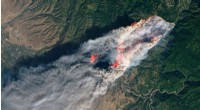
* Weather: Sunlight warms the Earth's surface, creating convection currents in the atmosphere. These currents drive weather patterns, including winds and storms.
* Plate tectonics: Convection currents in the Earth's mantle drive the movement of tectonic plates, which causes earthquakes and volcanic eruptions.
Let me know if you'd like more information about convection!