Here's a breakdown:
Characteristics of Low-Frequency Waves:
* Long Wavelength: Low-frequency waves have longer wavelengths, meaning the distance between two successive crests or troughs is greater.
* Low Frequency: The number of oscillations per second is low.
* Low Energy: Lower frequency waves carry less energy compared to higher frequency waves.
Examples of Low-Frequency Waves:
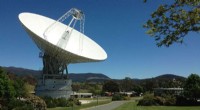
* Radio waves: These are used for broadcasting, communication, and radar.
* Sound waves: Low-frequency sound waves are perceived as bass or low notes.
* Seismic waves: Some seismic waves, like the "S" wave, have relatively low frequencies.
Importance of Low-Frequency Waves:
* Communication: Radio waves are crucial for long-distance communication, including radio broadcasting and satellite communication.
* Navigation: Radar systems use radio waves to detect objects and determine their location.
* Medical Imaging: Magnetic Resonance Imaging (MRI) uses low-frequency radio waves to generate detailed images of the inside of the human body.
Note: The term "low frequency" is relative. What is considered low frequency in one context might be high frequency in another. For example, a radio wave with a frequency of 1 MHz (1 million cycles per second) is considered low frequency compared to visible light, which has frequencies in the hundreds of terahertz (trillions of cycles per second).