Friction doesn't necessarily increase with speed, and the idea of particles helps explain why.
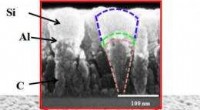
* Friction at the microscopic level: Friction arises from the interactions between the surfaces of two objects in contact. These surfaces, even if they seem smooth, are actually rough at the microscopic level. Imagine tiny bumps and grooves on both surfaces.
* Static Friction: When an object is at rest, the microscopic bumps and grooves interlock. This interlocking creates a force that opposes movement, called static friction. As you push harder, the static friction increases until it reaches a maximum value.
* Kinetic Friction: Once you overcome static friction and the object starts moving, the interaction between the surfaces changes. Now the bumps and grooves are constantly colliding and sliding past each other, creating a frictional force called kinetic friction. Generally, kinetic friction is *less* than the maximum static friction.
* Speed and Friction: The amount of kinetic friction depends on the nature of the surfaces and the normal force pressing them together. Speed does NOT directly influence the force of kinetic friction. The force remains relatively constant as long as the other factors (surface types, force pressing the surfaces together) stay the same.
However, there are some exceptions where speed can influence friction:
* Fluid Friction: When an object moves through a fluid (like air or water), the friction it experiences increases with speed. This is because the fluid particles need to move out of the way to allow the object to pass. This type of friction is called fluid friction or drag.
* High Speeds and Heat: At extremely high speeds, the increased collisions between the microscopic bumps and grooves can generate significant heat. This heat can sometimes cause the surfaces to deform or melt, potentially increasing friction.
In summary:
* Friction at the microscopic level arises from the interaction of bumps and grooves on surfaces.
* Kinetic friction is generally constant with speed for solid surfaces.
* Speed can influence friction in fluids (drag) and at very high speeds where heat plays a significant role.