* Wave Speed and Medium Properties: The speed of a wave is determined by the properties of the medium it's traveling through. These properties include:
* Density: Denser mediums generally slow waves down. Think of a rope – a thicker, denser rope will make waves travel slower.
* Elasticity: More elastic mediums (those that readily return to their original shape after being disturbed) allow waves to travel faster. Imagine a spring – a stiffer, more elastic spring will transmit vibrations more quickly.
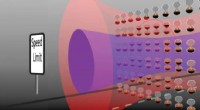
* Refraction: When a wave moves from one medium to another, it changes direction (bends). This bending is called refraction, and it happens because the wave's speed changes.
* Examples:
* Light: Light travels faster in air than in water, which is why a straw appears bent when placed in a glass of water.
* Sound: Sound travels faster in solids than in liquids or gases. This is why you can hear someone talking through a wall, even though the sound is fainter.
* Important Note: The frequency of the wave (the number of waves passing a point per second) remains the same when it moves between mediums. The change in speed is compensated by a change in wavelength (the distance between two wave crests).
Summary: The speed of a wave changes when it moves from one medium to another due to the different properties of the mediums. This change in speed can cause the wave to bend (refract) as it enters the new medium.