1. Absorption:
* Electrons can absorb energy from the light. This energy causes the electrons to jump to higher energy levels within the atom. The specific wavelengths of light that can be absorbed depend on the energy differences between the electron energy levels in the atom.
* This absorbed energy can then be re-emitted as light, heat, or other forms of energy.
2. Reflection:
* Electrons can also interact with the light waves and cause them to change direction, resulting in reflection.
* This occurs when the light waves encounter a boundary between two media (e.g., air and the surface of the object) and some of the light energy is reflected back into the original medium.
3. Transmission:
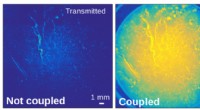
* In some cases, the light can pass through the object, meaning it is transmitted. This occurs when the electrons in the atoms of the object do not significantly interact with the light waves.
* The extent of transmission depends on the material of the object and the wavelength of light.
4. Scattering:
* Light can also be scattered by the electrons in the atoms. This happens when the light interacts with the electrons and causes them to vibrate. These vibrating electrons then emit their own light waves, which can be scattered in different directions.
The specific behavior of the electrons depends on factors such as:
* The wavelength of the light: Different wavelengths of light correspond to different energies, which can affect how electrons interact with them.
* The material of the object: Different materials have different atomic structures and energy levels, leading to unique absorption and reflection properties.
* The angle of incidence: The angle at which the light strikes the object can influence the way it interacts with the electrons.
Understanding these interactions is crucial for explaining phenomena like the color of objects, the transparency of materials, and the behavior of light in various optical systems.