Here's a breakdown:
* Solids:
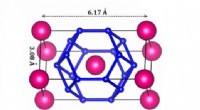
* Metals: Electricity flows very easily through metals because they have free electrons that can move throughout the material. This is why we use metal wires for electrical circuits.
* Non-metals: Most non-metals are insulators, meaning they resist the flow of electricity. They have very few free electrons. Some examples include rubber, glass, and plastic.
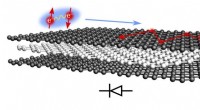
* Semiconductors: These materials have conductivity between metals and insulators. They are essential for many modern electronic devices like transistors and diodes.
* Liquids:
* Electrolytes: Liquids that contain ions (charged atoms or molecules) can conduct electricity. For example, saltwater conducts electricity due to the presence of free ions.
* Pure liquids: Most pure liquids, like distilled water, are poor conductors because they have very few free ions.
* Gases:
* Normal conditions: Gases are generally poor conductors of electricity because the particles are far apart and have very few free electrons.
* Ionized gases (Plasma): When gases are heated to very high temperatures or exposed to strong electric fields, their atoms can lose electrons and become ions. This creates a plasma, which can conduct electricity very well. This is how lightning works.
In summary:
* Best conductors: Metals and plasmas (ionized gases)
* Fair conductors: Electrolyte solutions and semiconductors
* Poor conductors: Non-metals, pure liquids, and gases under normal conditions.
It's important to remember that the conductivity of any material can be influenced by factors like temperature, pressure, and the presence of impurities.