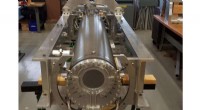
* Vacuum Environment: Electron microscopes operate in a high-vacuum environment. This is necessary for the electrons to travel without interacting with air molecules. However, this vacuum would instantly kill any living organism and would likely cause non-living objects to evaporate or change shape.
* Sample Preparation: Samples for electron microscopy require extensive preparation, often involving dehydration, fixation, and metal coating. This process makes the sample static and unsuitable for observing movement.
* Electron Beam Interaction: The electron beam used in electron microscopy can damage or even destroy biological samples. This means you can't expose a living object to the beam for extended periods to observe its movement.
Alternatives for Studying Movement:
* Light Microscopy: While limited in resolution compared to electron microscopy, light microscopy allows for viewing living organisms and dynamic processes. Techniques like time-lapse imaging can capture movement over time.
* High-Speed Video Microscopy: Specialized microscopes can capture images at extremely high frame rates, allowing for the visualization of rapid movements.
* Atomic Force Microscopy (AFM): AFM can image the surface of materials at a nanoscale level in air or liquid. This allows for the study of biological samples in their natural environment and can even image some molecular-level dynamics.
In summary: Electron microscopes are excellent for viewing static, detailed structures but are not suitable for viewing moving objects due to the necessary vacuum environment, sample preparation, and the destructive nature of the electron beam.