* MegaVolt (MV): This is the most common meaning of "MV" in physics. It represents a unit of electric potential, with 1 MV equaling 1 million volts. This is often used in the context of high-voltage applications like power lines or particle accelerators.
* Moment of Velocity (MV): This is a less common usage, referring to the moment of inertia of an object multiplied by its angular velocity. It's a measure of the object's rotational inertia, similar to how momentum measures linear inertia.
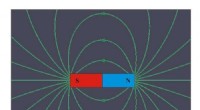
* Magnetic Vector (MV): This term is less common but might be used in specific contexts to describe a vector quantity related to magnetism. For example, it could refer to the magnetic field vector in a specific region.
To understand the meaning of "MV" in a specific context, you need to look at the surrounding information and the topic being discussed.
For example:
* If you see "MV" in the context of electricity and voltage, it most likely refers to MegaVolt.
* If you see "MV" in a discussion about rotational motion, it might refer to Moment of Velocity.
It's always best to consider the context and the relevant information when interpreting scientific terms.