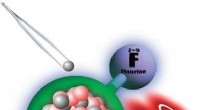
* Type of molecules: The chemical composition and structure of the molecules will determine how they interact.
* Speed of the molecules: Higher speeds will result in greater energy transfer during the collision.
* Temperature: Higher temperatures mean molecules are moving faster, leading to more energetic collisions.
* Type of collision: Collisions can be elastic (kinetic energy is conserved) or inelastic (kinetic energy is lost to other forms, like heat).
Here's a breakdown of what can happen:
Elastic Collision:
* Kinetic energy is conserved: The total kinetic energy of the two molecules before the collision equals the total kinetic energy after the collision.
* Momentum is conserved: The total momentum of the two molecules before the collision equals the total momentum after the collision.
* Rebound: The molecules bounce off each other, potentially changing their direction but maintaining their overall speed.
Inelastic Collision:
* Kinetic energy is not conserved: Some of the kinetic energy is converted into other forms, such as heat, sound, or vibrations.
* Momentum is conserved: The total momentum of the two molecules before the collision equals the total momentum after the collision.
* Energy transfer: The molecules can exchange energy, leading to changes in their internal states (e.g., vibrational or rotational energy).
Examples of what can happen:
* Simple rebound: The molecules bounce off each other with no significant change in their internal states.
* Energy transfer: One molecule might gain vibrational energy, becoming "hotter," while the other loses energy and becomes "cooler."
* Chemical reaction: If the molecules have enough energy, they might react with each other, forming new molecules.
* Dissociation: The molecules might break apart into smaller fragments.
Note: Real-world collisions between molecules are often complex and involve a combination of these effects.
Overall, the outcome of a head-on collision between two molecules is highly dependent on the specific conditions. Understanding the principles of conservation of energy and momentum helps to predict the general behavior of molecules during collisions.