1. Reflection:
* This is the most common occurrence. The light bounces off the surface of the object.
* The angle of reflection is equal to the angle of incidence (the angle at which the light hits the object).
* The type of reflection can be specular (smooth and mirror-like) or diffuse (scattered in many directions).
2. Absorption:
* The object can absorb some or all of the light's energy.
* This energy is converted into heat, which raises the object's temperature.
* Darker objects tend to absorb more light than lighter objects.
3. Transmission:
* Some light can pass through the object.
* This only happens if the object is transparent or translucent.
* Transparent objects allow light to pass through with minimal scattering (e.g., glass). Translucent objects scatter the light (e.g., frosted glass).
4. Refraction:
* When light passes from one medium to another (like air to glass), it bends.
* This bending of light is called refraction.
* The amount of bending depends on the angle of incidence and the refractive indices of the two media.
5. Diffraction:
* Light can bend around corners or obstacles.
* This is more noticeable with light waves that have shorter wavelengths (e.g., blue light).
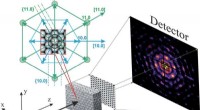
* Diffraction patterns can be seen when light passes through narrow slits or around small objects.
What determines the outcome?
The outcome of light interacting with a heavy object depends on several factors:
* The material of the object: Different materials have different properties that affect how they interact with light (e.g., metals are good reflectors, while glass is transparent).
* The color of the object: Color influences how much light is absorbed and reflected.
* The surface texture of the object: Smooth surfaces reflect light specularly, while rough surfaces scatter light diffusely.
* The wavelength of the light: Different wavelengths of light behave differently. For example, shorter wavelengths (like blue) are more easily scattered than longer wavelengths (like red).
Let me know if you want to explore any of these phenomena in more detail.