1. Net Force:
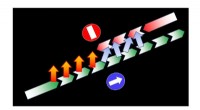
* The forces subtract: The net force is the difference between the two forces. The direction of the net force is the same as the direction of the larger force.
* Zero Net Force: If the forces are equal in magnitude, the net force is zero. This means there is no acceleration, and the object remains at rest or continues to move at a constant velocity.
2. Motion:
* Acceleration: If the net force is not zero, the object will accelerate in the direction of the net force. The larger the net force, the greater the acceleration.
* Deceleration: If the object is already in motion, and the opposing force is larger, the object will decelerate (slow down).
* Equilibrium: If the net force is zero, the object is in equilibrium. This means the object is either at rest or moving at a constant velocity.
3. Examples:
* Pushing a box: When you push a box forward, friction acts in the opposite direction. The net force depends on the strength of your push compared to the force of friction.
* Pulling a rope: When two people pull on a rope in opposite directions, the rope will move in the direction of the stronger pull. If they pull with equal force, the rope will not move.
* Gravity and Upward Force: When you jump, gravity pulls you down, while the force from your legs pushes you up. The net force determines how high you jump.
Key Point: The outcome of opposing forces depends on the magnitudes of the forces. The object will move in the direction of the stronger force, and its motion will be affected by the difference in force magnitudes.