For light:
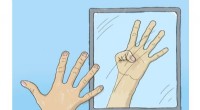
* Reflection: Light bounces off the surface. This is what we see when we look at a mirror or any shiny object.
* Specular reflection: Occurs when light bounces off a smooth surface, like a mirror. The reflected rays are parallel to each other.
* Diffuse reflection: Occurs when light bounces off a rough surface, like a wall. The reflected rays scatter in many directions.
* Absorption: The surface absorbs the light, converting it into heat. This is why dark surfaces tend to get hotter in the sun.
* Transmission: Light passes through the surface. This is what happens with a windowpane.
* Refraction: The light bends as it passes from one medium to another (e.g., from air to water). This is why objects appear bent when submerged in water.
For waves (like sound or water waves):
* Reflection: Waves bounce off the surface, changing direction. This is why you hear an echo when shouting in a cave or valley.
* Refraction: Waves bend as they move from one medium to another. This is why waves approach the beach at an angle, even though they were traveling parallel to the shoreline.
* Diffraction: Waves spread out as they pass through an opening or around an obstacle. This is why you can hear sound from around corners.
* Interference: Two waves can interact with each other, creating areas of constructive and destructive interference.
Important factors to consider:
* The angle of incidence: The angle at which the wave strikes the surface affects the angle of reflection and refraction.
* The nature of the surface: Smooth surfaces lead to more specular reflection, while rough surfaces lead to more diffuse reflection.
* The properties of the wave: Wavelength, frequency, and amplitude affect how waves interact with surfaces.
Let me know if you'd like to delve deeper into any of these concepts!