1. Electromagnetic Waves:
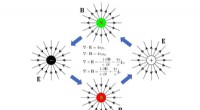
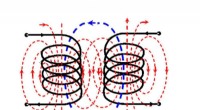
* Foundation of wireless communication: Radio waves, microwaves, infrared, and visible light are all forms of electromagnetic radiation. These waves are used to transmit information wirelessly over long distances.
* Modulation and Demodulation: Physics principles are used to modulate information onto carrier waves (e.g., amplitude modulation, frequency modulation) and demodulate it at the receiver to retrieve the original signal.
2. Sound Waves:
* Basis for acoustic communication: Sound waves are mechanical waves that travel through air or other mediums. They are used in various forms of communication, including speech, music, and sonar.
* Sound Transmission and Reception: Physics principles govern how sound waves propagate, interact with materials, and are captured by microphones and speakers.
3. Optics:
* Optical Communication: Fiber optic cables transmit information using light pulses, which travel at extremely high speeds with minimal loss.
* Light Modulation and Detection: Physics principles are employed to modulate light signals and detect them at the receiving end.
4. Electronics and Semiconductors:
* Components in Communication Systems: Transistors, diodes, and integrated circuits, all based on physics principles, are crucial for signal processing, amplification, and transmission in communication devices.
* Digital Signal Processing: Physics principles underpin the algorithms used in digital signal processing (DSP) to encode, decode, and manipulate information in communication systems.
5. Quantum Mechanics:
* Emerging Technologies: Quantum mechanics is impacting communication by enabling secure communication (quantum cryptography) and potentially faster data transmission (quantum communication).
Examples:
* Mobile phone communication: relies on radio waves, electromagnetic principles for modulation/demodulation, and electronic components for processing.
* Internet communication: utilizes fiber optic cables, relying on light propagation and optical modulation/detection techniques.
* Satellite communication: involves transmitting and receiving signals via electromagnetic waves across vast distances.
In summary: Physics provides the foundation for understanding how communication works, from the fundamental principles of waves to the intricate technologies that drive modern communication systems.