It's possible that this term is used in a specific context or research area that is not widely known.
To provide a better understanding, please clarify:
* Where did you encounter this term? (e.g., a research paper, a textbook, a lecture, a website)
* What was the context of its use? (e.g., what were the concepts or phenomena being discussed?)
With more information, I can help you understand what "helical diffraction theory" might refer to.
Here are some related concepts that may be relevant:
* Diffraction: The bending of waves around obstacles or through openings. This phenomenon is observed for light, sound, and other waves.
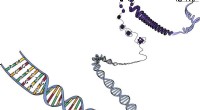
* Helical structures: Structures with a spiral shape, such as DNA or certain proteins.
* Diffraction by helical structures: Diffraction patterns can be generated when waves interact with helical structures. The specific pattern depends on the helical pitch, radius, and other parameters.
Let me know if any of these concepts seem relevant to the context in which you encountered "helical diffraction theory," and I'll do my best to provide a more specific explanation.