1. The Electric Field:
- A charged object creates an electric field around it. This field exerts a force on other charges.
2. Neutral Object:
- A neutral object contains an equal number of positive and negative charges. These charges are normally distributed evenly throughout the object.
3. Induction Process:
- When a charged object is brought near a neutral object, the electric field from the charged object influences the distribution of charges within the neutral object.
- If the charged object is positive, it repels the positive charges in the neutral object and attracts the negative charges. This causes a slight separation of charges in the neutral object, with more negative charges accumulating closer to the charged object.
- Conversely, if the charged object is negative, it attracts the positive charges and repels the negative charges in the neutral object.
4. Resulting Polarization:
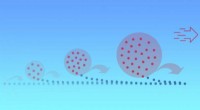
- This redistribution of charges within the neutral object creates a temporary electric dipole, with one side of the object slightly positive and the other slightly negative. This is called polarization.
5. No Net Charge Transfer:
- Importantly, in electrostatic induction, there is no transfer of charge from the charged object to the neutral object. The charges within the neutral object simply rearrange.
Examples:
* Charging a Metal Sphere by Induction: If you bring a positively charged rod near a neutral metal sphere, electrons in the sphere will be drawn toward the rod, leaving the side of the sphere farthest from the rod positively charged.
* Attraction of Neutral Objects: The polarized neutral object can now be attracted to the charged object. This is because the opposite charges in the neutral object are closer to the charged object, leading to a net attractive force.
In summary: Electrostatic induction describes the process where a charged object influences the distribution of charges within a neutral object, leading to temporary polarization without any transfer of charge.