* Friction: This force opposes motion between surfaces in contact. It reduces speed and can even bring an object to a complete stop.
* Air Resistance (Drag): This force opposes the motion of an object through the air. It increases with speed and can significantly slow down objects, especially at high velocities.
* Gravity (in some cases): Gravity can act as a force opposing motion, especially if the object is moving upwards.
* Tension (if opposing motion): A tension force in a rope or cable can act against the motion of an object, slowing it down.
* Normal Force (if opposing motion): The normal force exerted by a surface can act against an object's motion if the surface is tilted or if the object is sliding downwards.
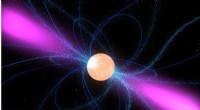
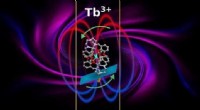
* Magnetic Forces (if opposing motion): Magnetic forces can act as a brake, slowing down the motion of magnetic objects.
* Electrostatic Forces (if opposing motion): Electrostatic forces can slow down charged objects.
Important Note: The "negative effect" is relative to the direction of the velocity. These forces can also *increase* velocity if they act in the same direction as the current velocity.