1. Particle Motion:
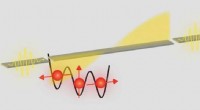
* Increased Kinetic Energy: When a material absorbs heat, the energy is transferred to the particles within the material. This energy primarily increases the kinetic energy of the particles.
* Faster Movement: Increased kinetic energy means the particles move faster. They vibrate, rotate, and translate (move from one place to another) more rapidly.
* Greater Spacing: The increased movement of particles can also lead to a slight increase in the average distance between particles. This is more pronounced in gases.
2. Temperature:
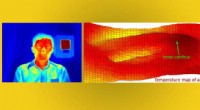
* Temperature is a Measure of Average Kinetic Energy: Temperature is a direct measure of the average kinetic energy of the particles in a material.
* Direct Relationship: As the average kinetic energy of the particles increases (due to heat absorption), the temperature of the material rises.
* Heat Capacity: The amount of heat energy required to raise the temperature of a material by a certain amount depends on the material's heat capacity. Some materials, like water, have high heat capacities, meaning they require a lot of energy to change their temperature. Others, like metals, have lower heat capacities.
Example: Imagine a pot of water on a stove.
* The stove transfers heat to the pot and then to the water molecules inside.
* The water molecules start moving faster and vibrating more vigorously.
* The average kinetic energy of the water molecules increases, causing the temperature of the water to rise.
Important Note: While heat absorption generally increases both particle motion and temperature, there are exceptions. For example, during a phase change (like melting ice), the absorbed heat energy is used to break bonds between particles, not to increase their kinetic energy. Therefore, the temperature remains constant during a phase change even though heat is being absorbed.