Here's a breakdown of what biophysics encompasses:
* Understanding Biological Systems Through Physical Laws: Biophysics applies the laws of physics, such as mechanics, thermodynamics, and electromagnetism, to analyze biological phenomena. This allows us to model and predict how living organisms work at various scales, from the molecular level to the whole organism.
* Exploring the Molecular Machinery of Life: Biophysics investigates the structure and function of biomolecules like proteins, DNA, and membranes. It explores how these molecules interact, form complex structures, and carry out vital processes like energy production and signal transduction.
* Investigating Cellular Processes: Biophysics examines the physical properties of cells, their movement, and the forces involved in cell division, growth, and communication. It explores the dynamics of membranes, the mechanics of cytoskeletons, and the flow of fluids within cells.
* Analyzing Biological Systems at Multiple Levels: Biophysics explores biological phenomena across various levels of organization, from individual molecules to tissues, organs, and even whole organisms. It examines the physical principles underlying the behavior of populations and ecosystems.
Examples of biophysical research:
* Studying the mechanics of muscle contraction: Biophysics helps us understand how muscles generate force through the interactions of proteins like actin and myosin.
* Investigating the structure of DNA and its role in heredity: Biophysics plays a key role in deciphering the double helix structure of DNA and understanding how genetic information is stored and replicated.
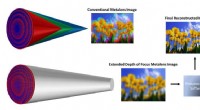
* Developing new imaging techniques: Biophysics drives the development of advanced imaging tools like magnetic resonance imaging (MRI) and electron microscopy, allowing us to visualize intricate biological structures.
* Modeling the spread of infectious diseases: Biophysics helps us understand how diseases spread through populations and develop strategies to control them.
The impact of biophysics:
* Medical advancements: Biophysics contributes to the development of new diagnostic tools, drug therapies, and medical devices.
* Understanding the environment: Biophysics helps us analyze the interactions of organisms with their environment and develop strategies for conservation and sustainable development.
* Creating new technologies: Biophysics inspires innovations in fields like biomaterials, nanotechnology, and bioengineering.
Biophysics is a rapidly evolving field with enormous potential to advance our understanding of life and create solutions to global challenges. It offers exciting career opportunities for individuals interested in physics, biology, and medicine.