1. Reflection: The light bounces off the surface. This is what allows us to see objects. The angle of incidence (the angle at which the light hits the surface) is equal to the angle of reflection.
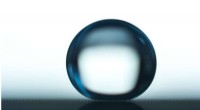
2. Refraction: The light passes through the surface but changes direction. This happens because the speed of light is different in different materials. For example, when light passes from air into water, it slows down and bends towards the normal (an imaginary line perpendicular to the surface).
The amount of reflection and refraction depends on the properties of the surface and the angle of incidence. Some surfaces are more reflective than others, and some materials refract light more than others.