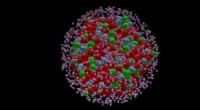
Here's how it works:
* Air Resistance: As an object moves through the air, it collides with air molecules. These collisions transfer energy from the object to the air molecules, slowing the object down.
* Speed and Drag: The faster an object moves, the more collisions it has with air molecules, resulting in greater air resistance.
* Shape and Drag: The shape of an object also affects air resistance. Objects with streamlined shapes (like an airplane wing) experience less drag than objects with blunt shapes (like a parachute).
Therefore, air molecules slow down objects in motion, not speed them up.
However, there are situations where air can *indirectly* influence the movement of objects:
* Wind: Wind is the movement of air itself. If the wind is blowing in the same direction as an object's motion, it can act as a force pushing the object forward, increasing its speed.
* Aerodynamics: Certain designs, like airplane wings, use the flow of air to generate lift and propel the object forward.
It's important to remember that air resistance is a force that acts opposite to the direction of motion, slowing an object down. While air can indirectly influence movement, it's not the primary factor in speeding up objects in motion.