* Initial Speed: The speed at which a bullet returns to Earth depends entirely on its initial speed when fired.
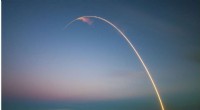
* Trajectory: The bullet's trajectory (the path it takes) also plays a major role. This depends on the angle it was fired, the effects of gravity, and even wind resistance.
* Terminal Velocity: Eventually, as the bullet falls, it will reach terminal velocity. This is the maximum speed an object can reach due to air resistance. Terminal velocity for a bullet can vary depending on its shape and weight, but it's usually much slower than its initial speed.
To illustrate:
* A bullet fired straight up at a high speed might take several minutes to fall back down, but its final speed before hitting the ground would be much slower than its initial speed.
* A bullet fired at a low angle might travel a significant distance horizontally before returning to Earth, making it difficult to calculate its final speed.
In short, there is no single "return speed" for a bullet. Its final speed depends on a variety of factors.