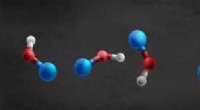
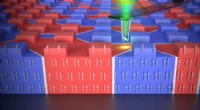
* Friction is a force that opposes motion. It acts in the opposite direction of the object's movement.
* Friction converts kinetic energy (energy of motion) into other forms of energy. These forms can include heat, sound, and light.
* As kinetic energy is converted, the object slows down.
Think of these examples:
* Pushing a box across a floor: Friction between the box and the floor slows it down.
* A car braking: Friction between the brake pads and the wheels converts the car's kinetic energy into heat, causing it to slow down.
* A ball rolling on the ground: Friction between the ball and the ground eventually brings the ball to a stop.
Types of Friction:
There are different types of friction, each affecting speed in slightly different ways:
* Static friction: This acts on stationary objects and prevents them from moving.
* Kinetic friction: This acts on moving objects and slows them down.
* Fluid friction: This occurs when objects move through liquids or gases (like air resistance).
In summary, friction is a force that works against the motion of an object, ultimately causing it to slow down.