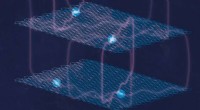
* Air is made of molecules: Air is composed of tiny particles called molecules, constantly moving and bumping into each other.
* Constant motion and collisions: These molecules are constantly moving and colliding with each other and with any surface they encounter.
* Pressure from collisions: These collisions create a force on the surface, which we call pressure. The more collisions, the higher the pressure.
* Example: Imagine a balloon filled with air. The air molecules inside are constantly colliding with the balloon's inner surface. These collisions create pressure that pushes outwards, keeping the balloon inflated.
Why it feels like a pull:
While air doesn't pull, some phenomena *feel* like a pull because of the way pressure changes:
* Low pressure: If there's a region of lower air pressure, the higher pressure air around it will push into that area. This can create the sensation of a pull, like when you suck on a straw. The low pressure in your mouth draws air from the straw.
* Wind: Wind is the movement of air from areas of high pressure to low pressure. This movement can feel like a pull, especially if it's strong enough to push you backwards.
Key takeaway: Air doesn't pull; it exerts a force due to the collisions of its molecules, creating pressure that pushes on surfaces.