Friction is a force that opposes motion between two surfaces in contact. It arises from the microscopic irregularities and interactions between the surfaces. There are two main types of friction:
* Static friction: This is the force that prevents an object from moving when it is at rest.
* Kinetic friction: This is the force that opposes the motion of an object that is already moving.
Here's a breakdown of how friction works:
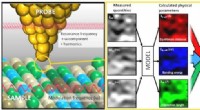
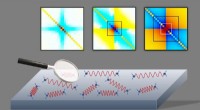
* Microscopic Interactions: When two surfaces rub together, the microscopic bumps and valleys on each surface interlock. These interlockings create a resistance to movement.
* Adhesion: There can also be adhesive forces between the molecules of the two surfaces. These forces also contribute to friction.
* Energy Dissipation: Friction converts kinetic energy (energy of motion) into heat energy. This is why rubbing your hands together makes them warm.
Friction is a complex phenomenon, and its magnitude depends on several factors, including:
* The materials of the surfaces: Rougher surfaces have more friction than smoother ones.
* The force pressing the surfaces together: The harder you press, the more friction there is.
* The area of contact: A larger contact area generally leads to more friction.
Friction is an essential force in our everyday lives. It allows us to walk, drive cars, and even write. It's also important in many industrial processes, such as the operation of brakes and the manufacture of sandpaper.