Acceleration is the rate of change of velocity. This means acceleration depends on:
* The change in velocity: How much the velocity is increasing or decreasing.
* The time it takes for that change to occur: A larger change in velocity over a short period of time results in higher acceleration.
Factors that can influence acceleration at higher speeds:
* Air resistance: At higher speeds, air resistance becomes a significant force opposing the motion. This force increases with speed, making it harder to accelerate further.
* Engine limitations: Most engines have a power curve that dictates the maximum force they can produce at different speeds. At high speeds, engines may not be able to produce enough force to maintain a high acceleration rate.
* Friction: Friction from various sources (e.g., tires, bearings) can also limit acceleration, and this can become more pronounced at higher speeds.
* Design limitations: Vehicles are designed with certain limits to their structural integrity and handling capabilities. These limits can affect acceleration potential at very high speeds.
In summary:
* Acceleration is not inherently less at higher speeds.
* External factors and limitations can make it more difficult** to achieve high acceleration at high speeds, but it doesn't mean acceleration is inherently lower.
* A vehicle can still experience high acceleration even at high speeds if the forces acting on it allow it.
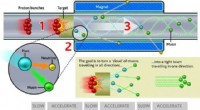
For example, a rocket can experience incredible acceleration even as it reaches very high speeds in space.
Let me know if you'd like to explore any of these factors in more detail!