Here's why:
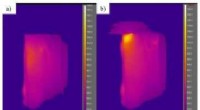
* Friction is a force that opposes motion. When two surfaces rub against each other, the microscopic irregularities on those surfaces interact. This interaction causes the molecules within the objects to vibrate more rapidly.
* Increased molecular vibration is heat. The faster the molecules vibrate, the hotter the object becomes.
Examples:
* Rubbing your hands together: You feel the heat generated by friction.
* Brakes on a car: Friction between the brake pads and the rotors generates heat, slowing the car down.
* A match striking a matchbox: Friction between the match head and the striking surface creates enough heat to ignite the match.
Friction can also produce:
* Wear and tear: Friction can cause surfaces to wear down over time.
* Sound: Friction can create sound waves, like the squeaking of tires on pavement.