Here's a breakdown:
Objects:
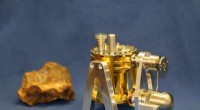
* Physical Objects: Things we can touch and see, like a rock, a tree, or a car. These clearly have physical properties.
* Abstract Objects: Ideas or concepts, like love, justice, or the number 7. These don't have physical properties in the traditional sense.
Physical Properties:
* Measurable: Things like color, size, weight, temperature, etc.
* Non-Measurable: Things like texture, taste, smell.
So, the answer depends on what you consider an object and what counts as a physical property:
* All physical objects have physical properties: This is undeniable.
* Not all objects have measurable physical properties: Abstract objects, for example, don't.
* Some objects have physical properties that are difficult to measure: For example, the "smell" of a flower is a physical property, but it's subjective and not easily quantifiable.
To sum up: Most objects we encounter in our daily lives have physical properties. However, the definition of "object" and "physical properties" can be flexible depending on the context.