* Heating: When a liquid or gas is heated, the molecules at the bottom absorb energy and move faster.
* Expansion and Density: As molecules move faster, they spread apart, causing the heated fluid to expand and become less dense.
* Rising: The less dense, warmer fluid rises because it's buoyant—it's pushed upward by the denser, cooler fluid below.
* Cooling: As the warmer fluid rises, it cools and becomes denser.
* Sinking: The cooler, denser fluid sinks, creating a cycle.
In short, convection is the transfer of heat through the movement of a fluid.
Other ways heat can move:
* Conduction: The direct transfer of heat through contact between molecules. This is more prevalent in solids.
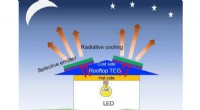
* Radiation: The transfer of heat through electromagnetic waves, like sunlight.
Examples of convection:
* Boiling water: Heat from the stove bottom heats the water at the bottom of the pot. This water rises, cooler water sinks, and the process continues.
* Wind: Uneven heating of the Earth's surface creates convection currents in the atmosphere.
* Ocean currents: Warm water near the equator rises, travels towards the poles, cools, and sinks, creating a continuous circulation pattern.
Let me know if you'd like more details about any of these concepts!