1. Pressure Gradient Force (PGF): This is the most fundamental force driving wind. Air always flows from areas of high pressure to areas of low pressure. The greater the pressure difference, the stronger the wind.
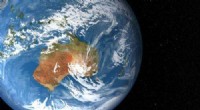
2. Coriolis Force: Due to the Earth's rotation, any object moving freely on the surface experiences an apparent deflection. This deflection is to the right in the Northern Hemisphere and to the left in the Southern Hemisphere. The Coriolis force influences the direction of wind, causing it to curve rather than flowing directly from high to low pressure.
3. Friction: The friction between air and the Earth's surface slows down the wind. This effect is most pronounced near the ground and decreases with altitude. Friction influences the wind's speed and direction, especially in the boundary layer (the lowest part of the atmosphere).
4. Gravity: While gravity primarily affects vertical air movement, it indirectly influences horizontal wind by affecting the distribution of air pressure. For example, differences in surface temperature lead to variations in air density, which in turn affects pressure and ultimately, wind direction.
5. Centrifugal Force: When air flows around a curved path, such as around a low-pressure system, it experiences a centrifugal force that pushes it outward. This force can counteract the pressure gradient force and influence the wind's direction and speed.
6. Other Factors: Several other factors can also affect wind, including:
* Terrain: Mountains and valleys can disrupt wind flow, creating localized wind patterns like mountain breezes and valley breezes.
* Surface Roughness: Different surface types (forests, water, cities) have different frictional effects on wind.
* Temperature Differences: Variations in surface temperature can create pressure differences and influence wind patterns.
In summary: The horizontal movement of air (wind) is a complex interplay of several forces, primarily the pressure gradient force, Coriolis force, and friction. Understanding these forces is crucial for understanding weather patterns and forecasting.