Materials:
* Bouncing Balls: Choose a variety of balls with different materials (e.g., rubber, bouncy ball, basketball, tennis ball). This will help you see how air pressure affects balls of different properties.
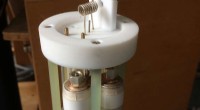
* Vacuum Pump and Chamber: A vacuum pump will allow you to create different air pressures. A clear chamber (like a bell jar) is crucial for seeing the ball's motion.
* Measuring Device: You'll need a way to measure the height of the bounce. A ruler or meter stick is suitable.
* Stopwatch or Timer: To measure the time it takes for the ball to bounce.
* Data Recording Sheet: For organizing your observations.
* Optional: High-Speed Camera: This can provide a detailed visual record of the bounces.
Procedure:
1. Choose a Ball: Select a single ball to begin with.
2. Baseline Measurement (Normal Air Pressure):
* Drop the ball from a set height (e.g., 1 meter) onto a flat surface.
* Measure the height of the bounce.
* Repeat this a few times to get an average bounce height at normal air pressure.
* Record the bounce height and the time it took for the bounce in your data table.
3. Vacuum Pump Experiment:
* Place the ball inside the vacuum chamber.
* Seal the chamber and begin pumping out air.
* Drop the ball from the same height as before.
* Measure the bounce height and the time it took for the bounce.
* Record your observations in your data table.
4. Repeat for Different Pressures:
* Continue the procedure for several different air pressures (e.g., half the normal pressure, a quarter of the normal pressure, close to a vacuum).
* Record your data carefully.
5. Repeat for Other Balls:
* After completing the experiment with one ball, repeat steps 2-4 with the other balls you have chosen.
Safety Precautions:
* Vacuum Pump Safety: Follow the instructions that come with your vacuum pump. Never pump air out of a sealed container (like a jar) unless there is a valve or opening to allow air back in.
* Glassware: Be careful with the vacuum chamber, as it can shatter if dropped.
Analyzing Your Results:
* Graphing: Create a graph showing the bounce height (or time) versus air pressure for each ball.
* Trends: Look for patterns in your data. How does the bounce height change as air pressure decreases?
* Conclusions: Formulate a conclusion about how air pressure affects the dynamics of a bouncing ball. Consider the different types of balls and their material properties.
Expected Results:
* Lower Air Pressure = Lower Bounce: As you decrease the air pressure, you'll likely observe that the ball's bounce height decreases. This is because the ball encounters less air resistance as it falls and bounces.
* Ball Material: The effect of air pressure on the bounce will vary depending on the material of the ball. Balls with a higher degree of air compression (like a basketball) might show a greater change in bounce height than balls with a lower degree of compression (like a rubber ball).
Key Concepts:
* Air Pressure: The force exerted by the weight of the air above a given area.
* Air Resistance: The force that opposes the motion of an object through air.
* Elasticity: The ability of a material to deform under stress and return to its original shape.
Let me know if you have any further questions about this experiment!