1. Disrupting Magnetic Domains:
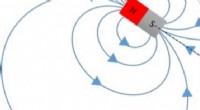
* Domains: A magnet is made up of tiny magnetic domains, each acting like a tiny magnet. In a magnetized material, these domains are aligned, creating a strong overall magnetic field.
* Hammering: Hammering disrupts the alignment of these domains. The shock waves from the hammer blows cause the domains to randomly reorient, effectively canceling out their magnetic forces and weakening the overall magnetic field.
2. Realignment of Magnetic Dipoles:
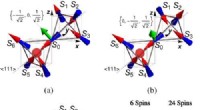
* Magnetic Dipoles: Each atom within a magnetic material acts like a tiny magnet with a north and south pole. In a magnetized material, these dipoles are aligned.
* Hammering: Hammering creates vibrations that can cause these dipoles to randomly realign, reducing the overall magnetic field strength.
3. Heat Generation:
* Heat: Hammering can generate heat within the magnet.
* Temperature Effects: High temperatures can cause the magnetic domains to become more easily randomized, leading to a loss of magnetism.
4. Structural Changes:
* Crystal Structure: Hammering can cause physical changes in the crystal structure of the magnet.
* Alignment Disruption: These structural changes can further disrupt the alignment of magnetic domains and dipoles, leading to demagnetization.
In summary:
Hammering a magnet disrupts the carefully aligned magnetic domains and dipoles within the material, reducing the overall magnetic field strength. The shock waves, heat, and structural changes caused by hammering contribute to the demagnetization process.