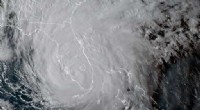
Cyclones, also known as low-pressure systems, are formed by the interaction of different air masses with contrasting characteristics. Here's a breakdown of how this happens:
1. The Players:
* Cold Air Mass: This air mass is dense, dry, and moves quickly. It originates from high latitudes and is associated with high pressure.
* Warm Air Mass: This air mass is less dense, moist, and moves more slowly. It originates from low latitudes and is associated with low pressure.
2. The Collision:
* When these contrasting air masses meet, the colder, denser air mass forces its way under the warmer, less dense air mass.
* This creates a zone of convergence, where the air is forced to rise.
3. The Ascent and Cooling:
* As the air rises, it cools and condenses, forming clouds and precipitation.
* The rising air creates an area of low pressure at the surface, which draws in more air from surrounding areas.
4. The Spin:
* The Earth's rotation influences the air flow. In the Northern Hemisphere, this causes the cyclone to spin counterclockwise, while in the Southern Hemisphere, the spin is clockwise.
5. The Cycle Continues:
* As more air is drawn in, the low-pressure area intensifies, causing stronger winds and more precipitation.
* This process continues until the air masses lose their temperature difference or until they are blocked by geographic features.
Types of Cyclones:
* Extratropical cyclones: These occur in mid-latitudes and are formed by the interaction of polar and tropical air masses.
* Tropical cyclones: These form over warm ocean waters and are fueled by the release of latent heat from condensing water vapor.
Important Points:
* Cyclones are a natural part of the Earth's climate system and play a crucial role in the distribution of heat and moisture.
* While they can bring heavy rain and strong winds, cyclones also contribute to plant growth and soil fertility.
* Understanding the interaction of air masses and their role in cyclone formation is vital for forecasting weather patterns and mitigating the potential risks associated with these weather events.
In summary, cyclones are formed by the convergence of contrasting air masses, leading to rising air, cooling, condensation, and the creation of a low-pressure system. The Earth's rotation influences the spin direction of the cyclone.