1. Parabolic Flights:
* What it is: These are special flights where the aircraft flies in a specific parabolic path, creating brief periods of weightlessness for about 20-30 seconds.
* How it works: The aircraft climbs and then descends in a steep arc, creating a feeling of weightlessness during the descent portion.
* Benefits: Allows astronauts to experience and practice tasks in a simulated microgravity environment.
2. Neutral Buoyancy Training:
* What it is: Training in large, deep pools of water, where astronauts wear special suits and equipment that adjust their buoyancy to mimic the feeling of being weightless.
* How it works: The buoyancy of the water counteracts the effects of gravity, creating a feeling of weightlessness.
* Benefits: Allows astronauts to practice spacewalks, repairs, and other tasks that involve movement in a weightless environment.
3. Dry Training:
* What it is: Practicing procedures and tasks on Earth in specially designed facilities, often using mockups of the spacecraft and equipment.
* How it works: Focuses on the technical aspects of tasks and procedures, often incorporating techniques to simulate weightlessness.
* Benefits: Ensures astronauts are familiar with the equipment and procedures in a controlled environment before actual space missions.
4. Centrifuge Training:
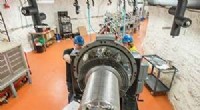
* What it is: Training in a large, rotating arm that simulates the high G-forces astronauts experience during launch and re-entry.
* How it works: The centrifugal force created by the rotating arm pushes astronauts against the wall of the centrifuge, similar to the force they would experience during a rocket launch.
* Benefits: Helps astronauts build tolerance for high G-forces, reducing the risk of blackouts or other physiological issues.
5. Virtual Reality Training:
* What it is: Using immersive VR simulations to practice tasks in a virtual microgravity environment.
* How it works: The VR environment allows astronauts to interact with virtual objects and environments, providing a realistic simulation of weightlessness.
* Benefits: Offers a safe and cost-effective way to train for space missions, allowing astronauts to practice a wide range of scenarios.
Important Considerations:
* No perfect simulation: While these methods provide valuable training, they are not perfect representations of true microgravity.
* Combined training: A combination of these methods is typically used to provide a comprehensive training experience.
* Constant adaptation: Astronauts continue to learn and adapt even once in space, as they adjust to the unique environment of microgravity.
In summary, training for zero gravity focuses on simulating the effects of microgravity through a combination of techniques. While no simulation can fully replicate the experience of space, these methods are vital for preparing astronauts for the challenges of spaceflight.