1. Gravitational Force:
* Effect: If mass stays the same and distance *decreases*, the gravitational force between the two objects increases.
* Why: The force of gravity is inversely proportional to the square of the distance. This means that if you halve the distance, the force becomes four times stronger.
2. Electrostatic Force:
* Effect: Similar to gravity, if mass stays the same and distance *decreases*, the electrostatic force between the two charges increases.
* Why: The force of electrostatic attraction or repulsion also follows an inverse square law with distance.
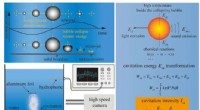
3. Light Intensity:
* Effect: If the distance between a light source and a point decreases, the intensity of light at that point increases.
* Why: Light spreads out as it travels. The further away you are from the source, the more the light has spread out, and the less intense it appears.
Important Note: The relationship between distance and these forces (and others) is usually described by an inverse square law. This means the force or intensity is proportional to 1/distance².
Let me know if you want to discuss a specific scenario or have a particular force in mind, and I can give you a more tailored explanation!