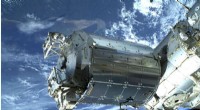
* The spacecraft's initial orbital velocity: A spacecraft in low Earth orbit (LEO) is typically traveling around 7.8 km/s (17,500 mph), while a spacecraft returning from the Moon or beyond would have a significantly higher velocity.
* The angle of reentry: A shallower angle of entry allows the spacecraft to slow down gradually, while a steeper angle results in a faster, more intense reentry.
* Atmospheric density: The thicker the atmosphere, the more drag the spacecraft experiences, slowing it down.
Here's why reentry speeds are so important:
* Friction and heat: As a spacecraft reenters the atmosphere, the friction between the spacecraft and the air generates immense heat. This can reach temperatures of thousands of degrees Celsius.
* G-forces: The deceleration of the spacecraft during reentry puts immense strain on the crew and the structure of the vehicle.
Typical reentry speeds:
* For spacecraft returning from LEO: Reentry speeds are typically around 7 to 8 km/s (15,700 to 17,800 mph).
* For spacecraft returning from deep space: Reentry speeds can be significantly higher, reaching up to 11 km/s (24,600 mph) or more.
It's important to note:
* Spacecraft are designed to withstand these extreme conditions: They have heat shields to dissipate the heat, and the structure is reinforced to handle the g-forces.
* Reentry is a highly complex and dangerous maneuver: It requires precise control and careful planning to ensure a safe landing.