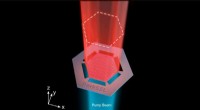
Solar Angle
The solar angle refers to the angle between the sun's rays and a horizontal surface. It's a crucial factor in determining the amount of solar energy that reaches a specific location on Earth.
Factors Affecting Solar Angle:
* Time of Day: The sun's position in the sky changes throughout the day, directly impacting the solar angle.
* Latitude: The angle of the sun's rays varies with latitude. Locations closer to the equator receive more direct sunlight compared to those at higher latitudes.
* Season: Earth's tilt causes the sun's angle to change throughout the year, resulting in seasons.
* Local Topography: Features like hills and mountains can obstruct or redirect sunlight, altering the solar angle.
Importance of Solar Angle:
* Solar Panel Efficiency: A higher solar angle leads to more direct sunlight, increasing the efficiency of solar panels.
* Shadowing: Understanding the solar angle helps in minimizing shadowing from buildings and trees, maximizing solar energy collection.
* Solar Tracking Systems: Solar tracking systems utilize the solar angle information to continuously adjust the panel's orientation for optimal energy generation.
Beam Spreading
Beam spreading describes the widening of the sun's rays as they travel through the atmosphere. It's an important consideration for concentrated solar power (CSP) systems, which rely on focusing sunlight to generate heat.
Factors Influencing Beam Spreading:
* Atmospheric Conditions: Factors like clouds, dust, and air pollution contribute to beam spreading.
* Distance from the Sun: As sunlight travels through the atmosphere, it spreads out.
* Optical Properties of the Atmosphere: The atmosphere's composition affects how sunlight is scattered and absorbed.
Impact of Beam Spreading:
* Reduced Concentration: Beam spreading causes the focused sunlight to spread out over a larger area, reducing its concentration.
* Decreased Efficiency: Lower concentration reduces the effectiveness of CSP systems, impacting their energy output.
* Design Considerations: CSP systems need to be designed to account for beam spreading, including larger mirrors and receivers to capture the wider beam.
In Conclusion
Understanding the interplay of solar angle and beam spreading is crucial for optimizing solar energy systems. Accurately calculating and mitigating these factors contributes to maximizing energy capture and improving the overall efficiency of solar installations.