Here's a breakdown:
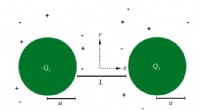
* Electrical Charges: All matter is made up of atoms, which contain tiny particles with electrical charges:
* Protons: Positively charged (+)
* Electrons: Negatively charged (-)
* Neutrons: No charge (neutral)
* Imbalance: When an object has an excess of electrons, it's negatively charged. When it lacks electrons, it's positively charged.
* Sudden Movement: Static electricity occurs when this imbalance of charges is suddenly discharged, typically through a spark or shock.
Examples of Static Electricity:
* Rubbing a balloon on your hair: The balloon gains electrons from your hair, creating a static charge that makes it stick to your head.
* Walking across a carpet: Friction between your shoes and the carpet can transfer electrons, leaving you with a static charge.
* Lightning: A buildup of static electricity in storm clouds is discharged as a lightning bolt.