Here are some examples of objects experiencing large gravitational forces:
* Planets: Planets orbiting stars experience immense gravitational forces due to the massive nature of the stars. This force keeps them in orbit and dictates their motion.
* Stars: Stars within galaxies are influenced by the combined gravity of all the other stars, gas, and dust within the galaxy.
* Black Holes: Black holes possess incredibly strong gravitational pull, so strong that not even light can escape. This is because they have a tremendous amount of mass packed into a very small space.
* Galaxies: Galaxies themselves are held together by the gravitational force of all the stars, gas, and dark matter they contain.
* Neutron Stars: These are incredibly dense remnants of massive stars, with gravity strong enough to crush atoms.
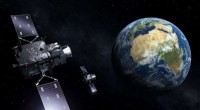
* Objects near the Earth: Objects near the Earth, like airplanes or satellites, experience significant gravitational pull from our planet. This force is what keeps them from flying off into space.
In short, objects experiencing large gravitational forces are:
* Massive objects: Objects with a lot of mass will exert a greater gravitational force on other objects.
* Close to other massive objects: The closer an object is to another massive object, the stronger the gravitational force between them.
So, it's not about the object itself, but rather its mass and proximity to other massive objects that determines the magnitude of gravitational force it experiences.