1. Apparent Weightlessness:
* Floating: Objects appear to float because they are no longer pulled down by gravity relative to the spacecraft. They move freely in any direction, including upwards, without any resistance.
* Zero-g: The sensation of weightlessness is often described as "zero-g". This is because there is no apparent downward force acting on objects, making them feel weightless.
2. Changes in Fluid Dynamics:
* Bubbles: Liquids behave differently in microgravity. Bubbles don't rise to the top, but rather drift around in the liquid, as their buoyancy is diminished.
* Surface Tension: Surface tension effects become more pronounced, leading to strange formations of liquids in containers.
3. Effects on Human Body:
* Muscle Atrophy: Without the constant pull of gravity, muscles can weaken and atrophy.
* Bone Loss: Bones also lose density due to the lack of stress from weight-bearing.
* Fluid Shifts: Fluids in the body can shift upwards, leading to facial swelling and a puffy appearance.
4. Physical Challenges:
* Movement: Moving around in a weightless environment requires careful coordination and can be challenging at first.
* Eating: Eating can be difficult, as food and liquids tend to float away.
* Sleeping: Sleeping in zero-g can be tricky, as there's no sense of "up" or "down".
5. Scientific Research:
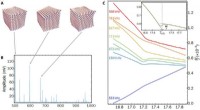
* Crystal Growth: Weightlessness allows for the growth of large, perfect crystals, which are impossible to produce on Earth.
* Fluid Dynamics: Microgravity provides a unique environment to study fluid behavior, leading to advancements in materials science.
* Biological Research: Weightlessness allows scientists to study the effects of spaceflight on living organisms.
In conclusion: Weightlessness is a unique phenomenon that significantly affects objects, fluids, and even the human body within a spacecraft. It provides both challenges and opportunities for scientific research, understanding the behavior of matter in a truly unique environment.