* Variable Speeds: Rocket takeoff speeds depend on many factors, including:
* Rocket design: Different rockets have different engines and fuel types, resulting in varying thrust and acceleration.
* Payload: Heavier payloads require more energy to lift off.
* Mission objectives: Some rockets are designed for short, suborbital flights, while others aim for escape velocity to reach orbit or beyond.
* Atmospheric conditions: Air density affects drag, which impacts acceleration.
* Average Ranges:
* Initial Velocity: Rockets typically start at 0 mph (0 km/h).
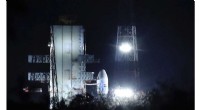
* Liftoff Speed: Most rockets reach a speed of around 200-300 mph (320-480 km/h) a few seconds after liftoff.
* Escape Velocity: To escape Earth's gravity, rockets need to reach about 25,000 mph (40,000 km/h). This speed is achieved much later in the flight, after multiple stages and burns.
Example:
* The Space Shuttle, at liftoff, accelerated to about 200 mph (320 km/h) in the first 10 seconds.
Key Takeaway: "Speed of a rocket on takeoff" is a broad question with no one-size-fits-all answer. It's important to consider the specific rocket and its mission to understand the relevant speeds.