Here's why:
* Transparent: Light passes through completely, allowing you to see clearly through the material (e.g., glass, water).
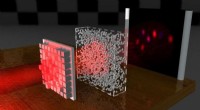
* Translucent: Light passes through, but it is scattered, making it difficult to see clearly through (e.g., frosted glass, tissue paper).
* Opaque: Light cannot pass through at all (e.g., wood, metal).
Examples of translucent materials:
* Frosted glass: Used in windows, shower doors, and light fixtures.
* Tissue paper: Often used for wrapping and crafts.
* Cloudy water: Contains suspended particles that scatter light.
* Skin: The scattering of light by skin is what gives it its color.
* Clouds: Water droplets and ice crystals scatter light, making them appear white or gray.