1. Electron Spin:
* Electrons have a property called spin, which generates a tiny magnetic field.
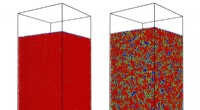
* In most materials, these electron spins are randomly oriented, canceling out their magnetic fields.
* However, in ferromagnetic materials like iron, nickel, and cobalt, the electron spins align themselves parallel to each other within small regions called domains.
2. Domain Alignment:
* In a magnetized material, these domains align themselves in a specific direction, creating a larger, collective magnetic field.
* This alignment can be achieved by exposing the material to a strong external magnetic field.
3. Magnetic Permeability:
* The ability of a material to support the formation of a magnetic field within itself is called magnetic permeability.
* Ferromagnetic materials have high permeability, meaning they are easily magnetized.
4. Atomic Structure:
* The specific arrangement of atoms in a material plays a crucial role in its magnetic properties.
* For example, iron atoms have a unique electronic configuration that contributes to their strong magnetic properties.
5. Temperature:
* The temperature of a material can affect its magnetism.
* At high temperatures, the thermal energy can disrupt the alignment of electron spins, reducing the material's magnetism.
In summary:
A magnet is created when a material has a large number of electron spins that are aligned within domains, resulting in a strong collective magnetic field. This alignment is influenced by the material's atomic structure, magnetic permeability, and temperature.
It's important to note that these are just the main factors that scientists infer make something a magnet. There are many other aspects of magnetism that are still being studied and understood.