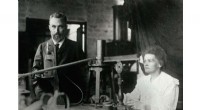
1. Science applied to real-world problems:
This is the most common understanding of the term. Here, it means using scientific knowledge and methods to solve real-world problems, develop technologies, and improve our lives. Examples include:
* Medicine: Developing new drugs and treatments for diseases.
* Engineering: Designing and building structures, machines, and systems.
* Agriculture: Improving crop yields and developing sustainable farming practices.
* Environmental science: Studying and addressing pollution, climate change, and other environmental issues.
2. Hands-on, experimental science:
This refers to science that emphasizes hands-on learning and experimentation. This is often contrasted with theoretical science, which focuses on abstract concepts and theories. Examples include:
* Science experiments in classrooms: Students conducting experiments to learn about basic scientific principles.
* DIY projects: Building your own gadgets or engaging in scientific experiments at home.
* Citizen science: Participating in research projects by collecting data or analyzing information.
In summary:
"Practical science" is a broad term that can refer to both the application of scientific knowledge to solve problems and the hands-on, experimental approach to learning science. It highlights the importance of using science to make a difference in the world and engaging with scientific concepts through direct experience.