1. Triangle as a shape:
* Geometric shape: A triangle can represent a physical object with a triangular shape, like a prism or a pyramid.
* Vector direction: A triangle can be used to indicate the direction of a vector. For example, in a force diagram, a triangle can represent the direction of the force applied to an object.
* Trigonometry: Triangles are fundamental to trigonometry, which is used in physics to calculate angles, distances, and forces.
2. Symbol for specific physical quantities:
* Delta (Δ): The Greek letter delta is a common symbol used to represent *change* in a physical quantity. For example, ΔT represents the change in temperature, and ΔV represents the change in volume.
* Potential energy: Sometimes a triangle symbol is used to represent the *potential energy* of a system, especially in the context of potential energy diagrams.
3. Other meanings:
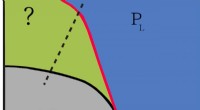
* Phase diagrams: In phase diagrams, a triangular symbol might represent a *triple point*, where three phases of matter (solid, liquid, gas) coexist.
* Flowcharts: In flowcharts, a triangle can represent a *decision point*, where a choice needs to be made.
To understand the meaning of a triangular symbol in a specific context, you need to consider the surrounding information, such as:
* The type of diagram or figure: A force diagram, a potential energy diagram, or a phase diagram will use different symbols.
* The other symbols and labels: The symbols and labels used in the diagram should provide context.
* The text accompanying the figure: The text can explain the meaning of the symbols used.
If you provide more details about the context where you encountered the triangular symbol, I can help you interpret its meaning more accurately.