Units of Mass:
* Kilogram (kg): The standard unit of mass in the International System of Units (SI).
* Gram (g): A smaller unit of mass, 1000 grams equal 1 kilogram.
* Milligram (mg): An even smaller unit, 1000 milligrams equal 1 gram.
* Pound (lb): A common unit of mass in the United States and other countries.
* Ounce (oz): A smaller unit of mass, 16 ounces equal 1 pound.
* Ton: A large unit of mass, 2000 pounds equal 1 ton.
Tools for Measuring Mass:
* Balance Scale: The most basic type of scale. It uses a fulcrum to balance known weights against the object being measured.
* Digital Scale: A modern electronic scale that provides a digital readout of the mass. These scales come in various sizes and capacities.
* Spring Scale: A scale that uses a spring to measure the force of gravity acting on an object.
* Triple Beam Balance: A classic lab tool that uses three beams with sliding weights to measure mass.
* Analytical Balance: A very precise scale used for scientific and industrial applications.
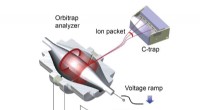
* Mass Spectrometer: A sophisticated device that measures the mass-to-charge ratio of ions. It's used in various scientific fields, including chemistry and biology.
Choosing the Right Tool:
The best tool for measuring mass depends on the size and type of object you are measuring, the desired level of precision, and the available resources.
* For small objects: Use a balance scale, a digital scale, or a triple beam balance.
* For large objects: Use a digital scale or a spring scale.
* For precise measurements: Use an analytical balance.
* For analyzing the composition of a substance: Use a mass spectrometer.