1. Magnetic Forces:
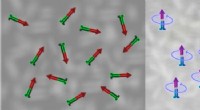
* Attraction and Repulsion: This is the most fundamental force acting on a magnet. Magnets have two poles, north and south. Opposite poles attract each other, while like poles repel.
* Magnetic Field Interaction: A magnet creates an invisible magnetic field around itself. When another magnet or a magnetic material enters this field, it experiences a force. The strength and direction of this force depend on the orientation of the magnets and the strength of their magnetic fields.
* Force from Moving Charges: Magnetic fields can exert forces on moving electric charges. This is the principle behind electric motors and many other electromagnetic devices.
2. Gravitational Force:
* Earth's Gravity: Like any object, a magnet is pulled towards the center of the Earth by gravity. However, for most magnets, this force is negligible compared to magnetic forces.
3. Electromagnetic Forces:
* Induced Currents: A changing magnetic field can induce electric currents in nearby conductors. These induced currents, in turn, create their own magnetic field, which can interact with the original magnet. This is the basis of electromagnetic induction.
4. Mechanical Forces:
* Friction: If a magnet is moving, it will experience frictional forces from the surface it's moving on.
* Tension: A magnet can be attached to a string or rope, creating tension forces.
* Pressure: A magnet can be pressed against a surface, resulting in pressure forces.
5. Other Forces:
* Electric Fields: While magnets are primarily affected by magnetic fields, they can also interact with electric fields. However, this interaction is generally weaker than the magnetic interaction.
Important Considerations:
* The strength of the magnetic forces depends on the strength of the magnets involved and the distance between them.
* The direction of the magnetic forces depends on the orientation of the magnets.
Let me know if you'd like me to elaborate on any specific force or provide examples of how these forces work in real-world applications.