The Truth:
* Light's speed is constant in a vacuum. This is a fundamental constant, approximately 299,792,458 meters per second.
* Light interacts with matter. When light enters a denser medium, like glass or water, it interacts with the atoms and electrons in that material.
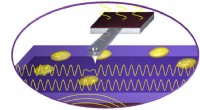
* This interaction causes delays. The light doesn't travel in a straight line anymore. Instead, it gets absorbed by the atoms, re-emitted, absorbed again, and so on. This process takes time, making it *appear* like light is travelling slower.
* The actual speed of light never changes. Even within the medium, light travels at the speed of light, but the path it takes is longer and more complex due to these interactions.
An Analogy:
Imagine you're walking through a crowded room. You can't move in a straight line; you have to weave around people. Your overall speed might appear slower, but you're still walking at your normal pace. The delay is caused by the obstacles, not a decrease in your walking speed.
The Key Concept: Refractive Index
The "apparent" slowing of light in denser media is quantified by the refractive index (n) of the material. It's the ratio of the speed of light in a vacuum to the speed of light in the material:
n = c / v
Where:
* c = speed of light in vacuum
* v = speed of light in the medium
A higher refractive index indicates a greater "slowing down" effect, meaning light takes longer to traverse a given distance in that medium.
In Conclusion:
While it appears that the velocity of light decreases in denser media, the actual speed of light remains constant. The interaction of light with matter creates delays and changes the path of light, leading to a perception of slower travel. The refractive index quantifies this "slowing down" effect.