Outward Pressure:
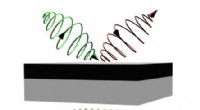
* Radiation Pressure: Stars generate energy through nuclear fusion in their core. This energy is released as light and heat, creating an outward pressure that pushes against gravity.
* Gas Pressure: The intense heat within a star also creates immense gas pressure, which further counteracts gravity.
Inward Force: Gravity:
* Gravity pulls all the matter in a star towards its center.
Equilibrium:
* Stable Star: When the outward pressure from radiation and gas pressure perfectly balances the inward force of gravity, the star is in a state of hydrostatic equilibrium. This means the star remains stable in size and temperature.
* Stellar Evolution: Over time, a star's core changes due to nuclear fusion. This alters the balance between pressure and gravity, leading to changes in the star's size, temperature, and luminosity. These changes are part of the star's life cycle and eventually lead to its demise.
Consequences of Imbalance:
* Collapse: If gravity becomes stronger, the star will begin to collapse under its own weight. This could lead to a supernova explosion or the formation of a black hole.
* Expansion: If radiation pressure becomes stronger, the star will expand, becoming a red giant or supergiant.
In summary:
The equilibrium between radiation pressure and gravity is what keeps stars stable and determines their life cycle. It's a delicate balance that ensures the existence of stars and, consequently, the universe as we know it.