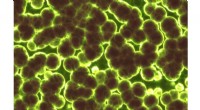
* The basic unit of life? That would be the cell. Cells are the smallest functional and structural units of all living organisms. They carry out all the basic functions of life, such as metabolism, growth, and reproduction.
* The basic unit of an organism's body? This is more complex and depends on the organism. Here are some examples:
* For animals: The basic unit of an animal's body is a tissue, which is a group of similar cells that work together to perform a specific function. Tissues then form organs, and organs form organ systems.
* For plants: The basic unit of a plant's body is also a cell, but they have specialized cells for different functions. These cells group together to form tissues, which then form organs like leaves, stems, and roots.
* The basic unit of a protein? That would be an amino acid. Amino acids are the building blocks of proteins.
To help me answer your question more accurately, please clarify what you mean by "basic unit body structure".