1. Absorption:
* Opaque objects: These objects absorb most of the light that hits them. The absorbed light is converted into heat energy, which is why dark objects feel warmer in the sun. Examples: a book, a rock, a wall.
2. Reflection:
* Smooth surfaces: Reflect light in a predictable way, creating a mirror-like image. Examples: a mirror, a polished metal surface.
* Rough surfaces: Scatter light in many directions, making it difficult to see a clear reflection. Examples: a piece of paper, a wall painted with a matte finish.
3. Transmission:
* Transparent objects: Allow light to pass through them with little scattering or absorption. Examples: glass, water, air.
* Translucent objects: Allow some light to pass through but scatter it, making objects seen through them appear blurry. Examples: frosted glass, thin paper.
4. Refraction:
* Transparent objects: Bend the path of light as it passes from one medium to another. This is why objects appear to be in a different position when submerged in water.
5. Diffraction:
* Small objects: Bend light waves around them, creating patterns of light and dark. This is why you can see the colored bands of light when looking at a CD or DVD.
6. Shadows:
* Opaque objects: Block light, creating an area of darkness behind them known as a shadow. The shape of the shadow depends on the shape of the object and the position of the light source.
Other effects:
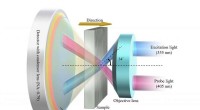
* Fluorescence: Some objects absorb light and then emit it at a different wavelength, giving them a glowing appearance. Examples: fluorescent lights, some minerals.
* Phosphorescence: Some objects absorb light and then emit it over a longer period of time, causing them to glow in the dark. Examples: glow-in-the-dark toys, some bacteria.
The interaction of light with objects is complex and fascinating, and it plays a crucial role in our understanding of the world around us.